Complementary Unbound vs Reimagined: Complete Comparison
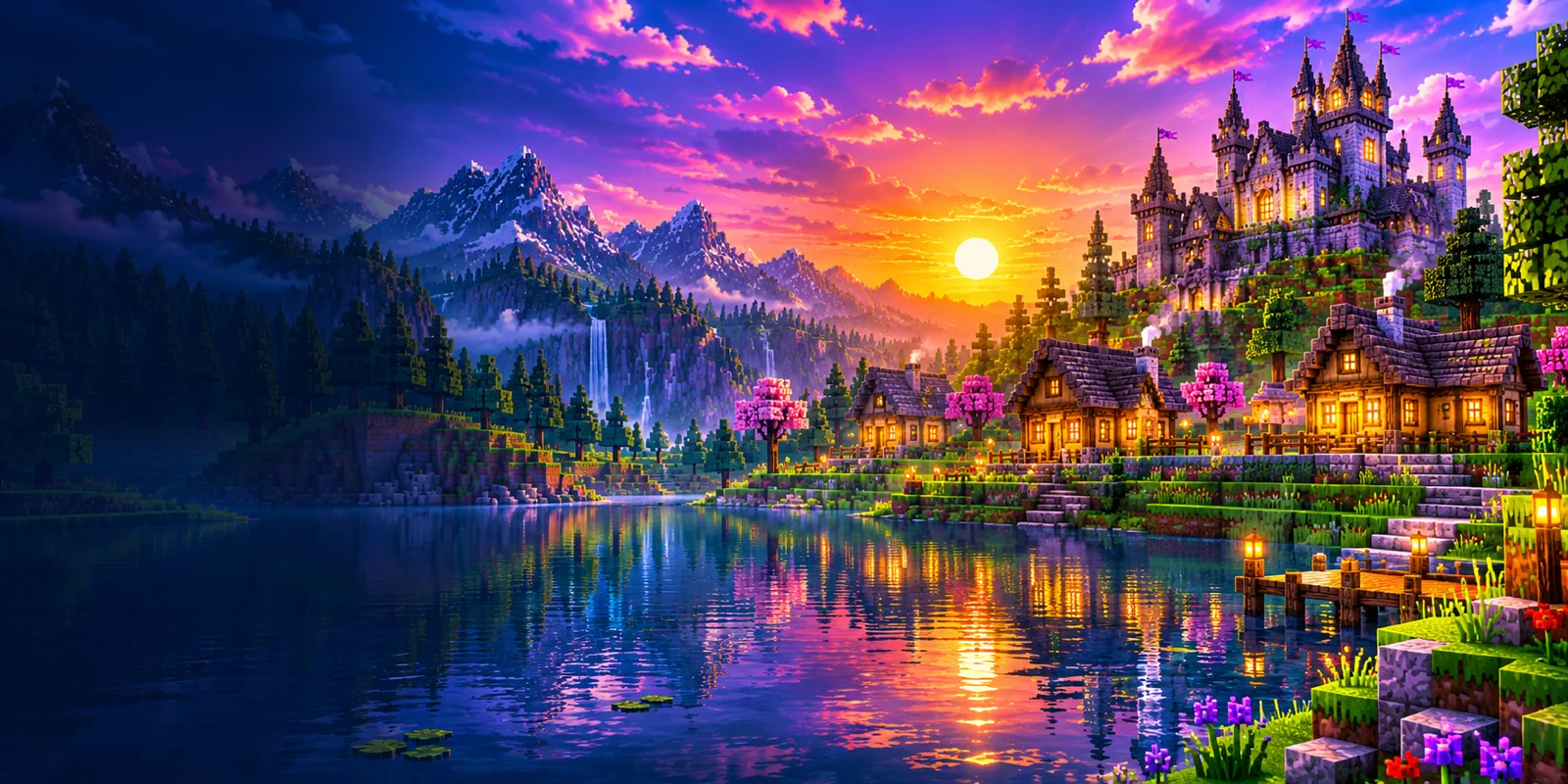
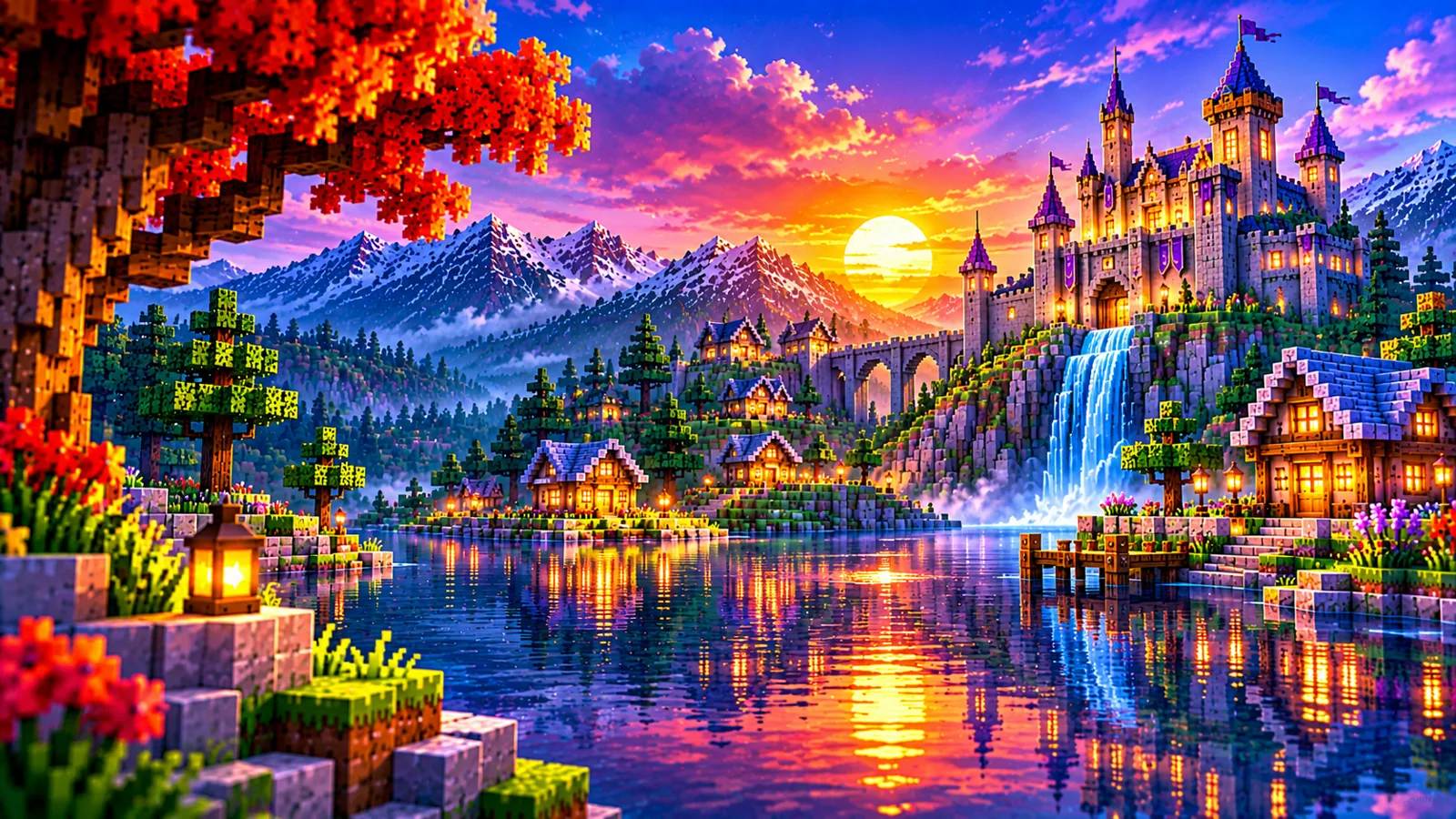
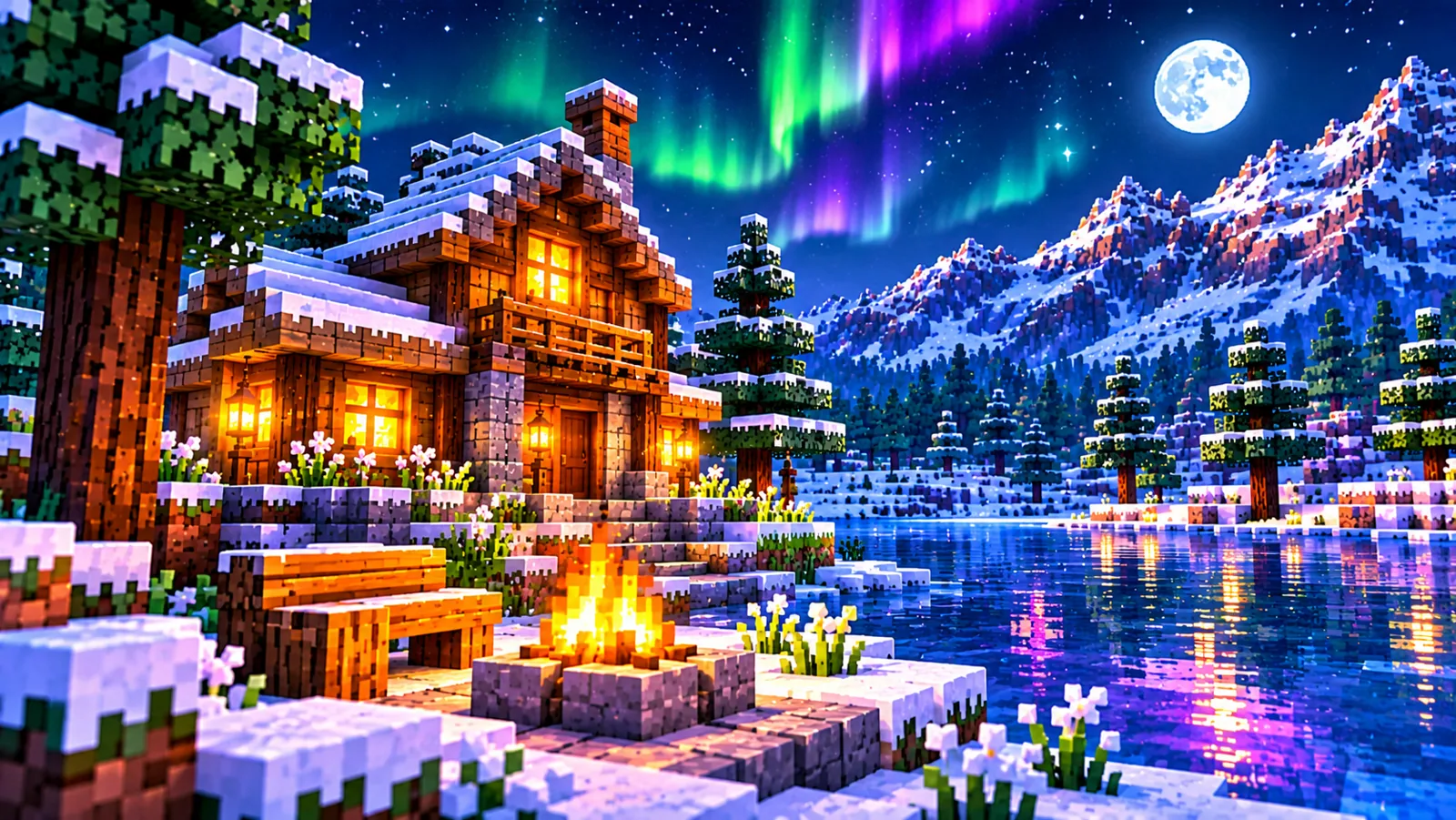
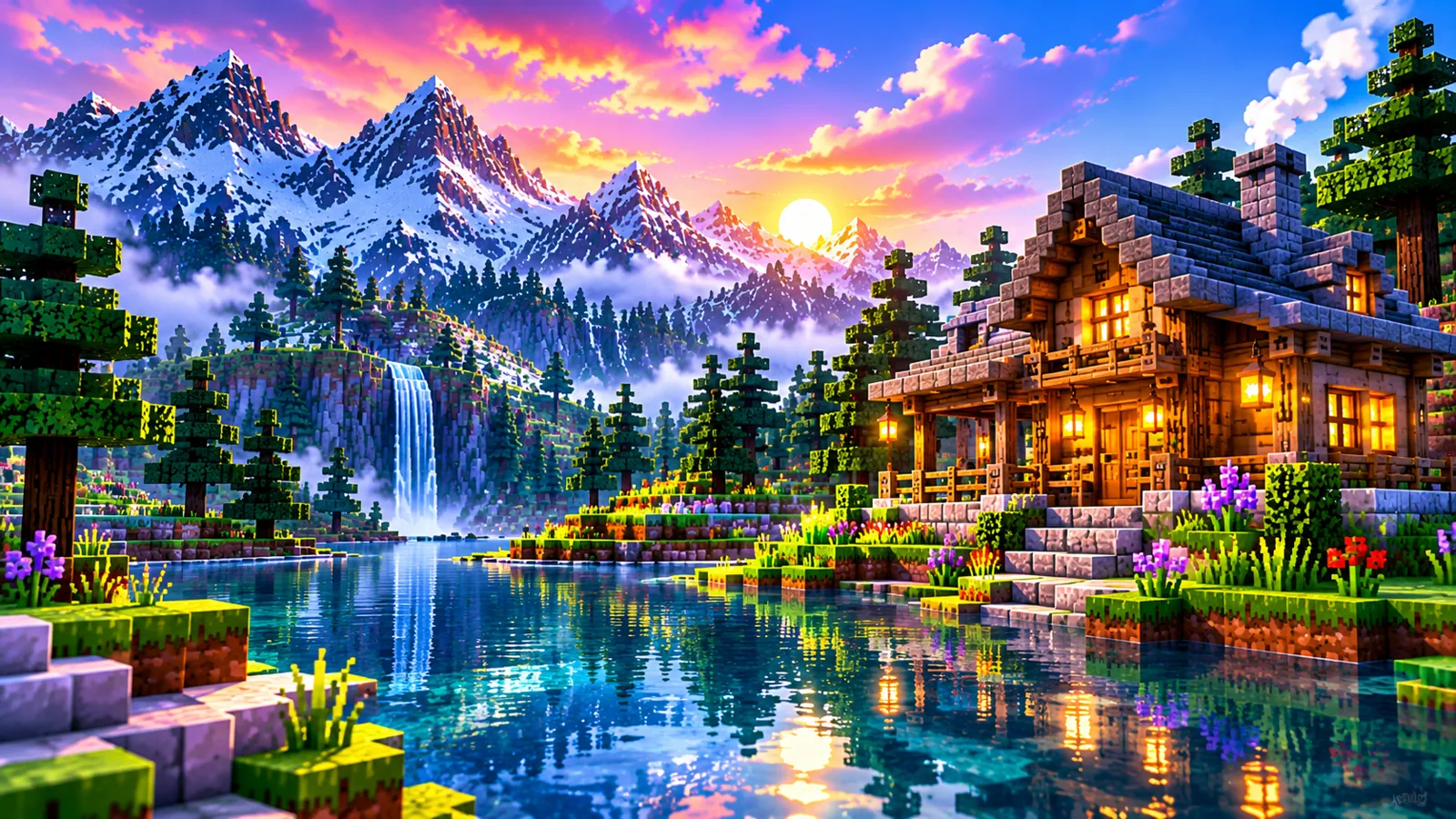
Complementary Shaders comes in two styles that share one engine, one settings system and one release schedule, but aim at two different feelings. Unbound is built for realism: cinematic light, deep atmosphere, water with weight. Reimagined is built to honour the original game: brighter, cleaner, unmistakably Minecraft. This comparison walks through how each style handles light, sky, water, blocks and performance character, so you can choose with your eyes open, and remember, you can keep both installed and switch in seconds.
At a glance
| Aspect | Complementary Unbound | Complementary Reimagined |
|---|---|---|
| Design goal | A more realistic experience | Reimagine Minecraft while preserving its unique visual elements |
| Overall mood | Cinematic, dramatic, atmospheric | Bright, clean, cheerful |
| Daylight | Directional, golden, strong contrast | Open, even, vivid |
| Night | Deep and moody; artificial light stands out | Dark but readable; friendlier exploration |
| Water | Expressive reflections, realistic tone | Clear, inviting, closer to vanilla colour |
| Best for | Scenic worlds, screenshots, immersive survival | Everyday play, building, long sessions |
| Profiles | Potato → Ultra | Potato → Ultra |
| File | ComplementaryUnbound_r5.9.3.zip | ComplementaryReimagined_r5.9.3.zip |
Both are at version r5.9.3, both are about half a megabyte, and both are fully customisable after download, the developers are explicit that choosing a style is choosing a starting point, not a cage.
Lighting and shadows
Light is where the two styles diverge most. Unbound treats sunlight as the main character: it rakes across landscapes at golden hour, pools warmly around torches, and lets interiors fall into genuine shadow. The result flatters dramatic terrain and moody builds, and makes screenshots easy, but very dark areas are honestly dark, which changes how you play at night and underground.
Reimagined keeps light helpful. Its daylight is brighter and more even, colours stay saturated, and shadows add depth without swallowing detail. You notice the improvement over vanilla everywhere, yet you rarely have to think about visibility. For building, where you need to see your own work clearly, that restraint is a feature, not a compromise.
Sky, clouds and atmosphere
Unbound's skies carry weather in them: layered clouds, atmospheric depth, sunsets that spread colour across the whole horizon. Fog and haze are used expressively, so distance feels like distance. Reimagined's sky is cleaner and more graphic, clouds and colours chosen to sit comfortably above a blocky world, with atmosphere that enhances rather than dramatises. Players who find heavy fog "muddy" usually land on Reimagined; players who want landscapes to feel vast usually land on Unbound.
Water and reflections
Both styles transform vanilla's flat water, but toward different ends. Unbound aims at believable water: reflective, tone-matched to the sky, with shores that feel wet and weighted. Reimagined aims at inviting water: clearer, brighter, closer to the game's own palette, the kind of lake you want to build a dock on. Either is a large step up from vanilla; the choice is taste. The settings behind both looks are covered in water and reflection settings.
Blocks, items and the "Minecraft feel"
Complementary applies custom effects to almost every block in the game, and both styles benefit. The difference is emphasis: Reimagined protects the readability of blocks, ores look like ores, crops look like crops, redstone contraptions stay legible. Unbound is willing to let atmosphere reinterpret a scene, which can make familiar builds look newly cinematic but occasionally less literal. If you play with lots of technical builds or farms, Reimagined's clarity is worth weighing.
Performance character
Both styles share the same profile ladder, Potato, through to Ultra, and the same settings system, so either can be made light or heavy. In character, Unbound's signature effects (atmosphere, volumetrics-style light, expressive water) are the sort that cost more when pushed, while Reimagined's cleaner look tends to feel comfortable a step higher on the same hardware. Treat that as a tendency, not a benchmark: your GPU, resolution and render distance dominate. The performance guide shows how to measure your own setup honestly, and low-end settings if your PC needs the help.
Who should choose which
- Choose Unbound if you play for atmosphere: scenic survival, exploration, screenshots and videos, realistic builds, and you enjoy a world that can be moody. See it in depth in Unbound: features and visual style.
- Choose Reimagined if you play for the game itself: building, long sessions, multiplayer, technical play, or you simply want Minecraft to look like the best version of itself. Depth: Reimagined: features and visual style.
- Choose both if you are unsure, most players end up keeping both. Installation is one extra ZIP in the same folder.
The shorter decision framework is in which style should you choose?, and the mechanics are in how to switch between styles.
The honest verdict
There is no wrong answer here, and the developers designed it that way: two default styles, one customisable engine. Unbound is the style that makes people say "I can't believe this is Minecraft"; Reimagined is the style that makes people say "this is exactly how Minecraft should look". Download the one that matches your instinct, Unbound or Reimagined, play an in-game day with it, then try the other. Your own sunrise test settles the question better than any comparison table.
How the styles feel across different places
The gap between the styles widens and narrows depending on where you are standing. In open country, plains, coasts, mountain ranges, Unbound's atmosphere has the most to work with. Distance, haze and low sun turn a simple walk into a landscape, and a desert at golden hour or a snowy ridge at dawn can look dramatic with no building in sight at all. Reimagined handles the same open country more honestly: colours stay true, distant terrain stays clear, and you can read the land at a glance, which helps when you are scouting, mapping or planning a build.
Enclosed and busy places reverse some of that. In a dense jungle, a cave system or a crowded base interior, there is less sky and less distance for atmosphere to shape, so the two styles move closer together. What separates them there is light behaviour at close range. Unbound lets interiors fall into real shadow, so torch placement becomes part of the design and a lit room feels earned. Reimagined keeps those same spaces readable, so storage walls, crop rows and work areas stay easy to scan. Neither approach is more correct, one treats a room as a mood, the other treats it as a workspace, and most bases need to be both at different times of day.
Water-heavy areas show a similar split in miniature. Around an ocean, lake or river, Unbound's reflective, sky-matched water dominates the scene and pulls the whole view toward realism. Reimagined's clearer, brighter water keeps the focus on what you have built beside it, the dock, the bridge, the garden, rather than on the water itself. If your world centres on a harbour or a canal network, this single difference is worth testing first, before you judge either style on land.
A full day and night in each style
Judging either style from a single moment is misleading, because both are built around a moving sun. At dawn, Unbound rewards patience: light arrives gradually, colour spreads across the sky, and terrain emerges from shadow in layers. Reimagined's morning is quicker to become practical, within moments the world is bright, even and ready for work. At midday the styles are at their closest. Strong overhead light flattens some of Unbound's drama, while Reimagined is in its element, with saturated colour and clear shadows that make building and exploring straightforward.
Late afternoon is where opinions usually form. Unbound's golden hour is its signature: long shadows, warm grading and a sense that the day is ending. It is the moment most screenshots are taken, and it can make an ordinary village look considered and calm. Reimagined warms at sunset too, but it holds onto clarity for longer, so you can keep building or travelling later into the evening without the scene turning into a photograph you cannot quite work in. After dark the difference becomes a gameplay difference, not just a visual one. Unbound's night asks you to light your routes and respect the dark; Reimagined's night is darker than vanilla but still navigable, which suits players who treat night as extra building time rather than a phase to survive.
Underground, the cycle disappears and the contrast is constant. Unbound makes depth feel physical, the further you go from a light source, the more completely the dark closes in, which suits exploration and mining as an experience. Reimagined keeps cave work more legible, so branch mines, farms and underground bases remain practical places to spend hours. If you spend most of your time below the surface, weigh this section more heavily than anything about sunsets.
Screenshots, video and sharing your world
For still images, Unbound does more of the work for you. Its grading, atmosphere and directional light give a screenshot depth and focus even when the subject is simple, so a lone tower or a forest path can carry a picture on its own. The trade-off is honesty: a build photographed in Unbound at golden hour will look moodier than it feels at noon, and players sharing a design for others to copy may find that flattering light hides the block choices that matter. Reimagined photographs builds the way they play, bright, clear and true to their palette, which is why it suits build showcases, tutorials and world tours where the viewer needs to see exactly what was placed.
For video the same logic applies over time. Unbound gives footage a cinematic continuity: travel sequences, time-lapses of a sunset and atmospheric exploration all benefit from its sky and light. Reimagined gives footage consistency and recognition. Viewers always know what game they are watching, faces of builds stay readable as the camera moves, and long recordings stay comfortable to watch because the image is not constantly shifting between bright scenes and deep shadow. Many creators keep both installed for exactly this reason, one style for the world they play in, the other for the world they present, and because each style keeps its own settings file, that split costs nothing to maintain. The mechanics are covered in switching between styles.
How far customisation narrows the gap
Because both styles share one settings system, the distance between them is not fixed. You can soften Unbound's atmosphere, lift its darker areas and calm its water until it behaves much more like a readable everyday pack, and you can deepen Reimagined's fog, warm its light and strengthen its reflections until it feels noticeably moodier. Players who enjoy tuning often end up with two personal styles that are closer to each other than the defaults are. That is a strength of the pack, not a sign that the choice does not matter.
What tuning cannot do is swap the underlying design. The way each style models and grades light is built into the style itself, so a heavily tuned Reimagined still reads as Reimagined underneath, and a softened Unbound still carries its cinematic character at dawn and dusk. Choose the style whose default is nearest to where you want to end up, then tune the last part of the distance. The dials themselves are explained in visual style settings explained.
Frequently asked questions
Is one style newer or more updated than the other?
No. They release together with matching version numbers, currently r5.9.3 for both.
Can my settings from one style be used in the other?
Each style keeps its own settings file. The options system is the same, so your knowledge transfers, but the values are stored per style, which is what lets each style remember its own look.
Which style is more popular?
On Modrinth, Reimagined shows more downloads (about 73 million) than Unbound (about 47 million) at the time of writing, a preference signal, not a quality verdict.